How Mulleadys boosted its recovery line performance at half the cost, with no CapEx and no lost production

Mulleadys hired a Sorted SortBot for the recovery line at its Drumlish recycling facility. There was no machine to buy, and the robot went in over three days during a planned shutdown. It now makes about 40 picks per minute of paper and card, and does the work of one full-time picking position.

Located in
Drumlish, Co. Longford, Ireland
About 400 tonnes a week through the Drumlish facility
Household and business
customers in five counties
One two-arm
Sorted SortBot
KEY BENEFITS

Sorted added a robotic picking position to Mulleadys' recovery line, at about half the cost

Book a free audit

40 picks per minute, peaking at 48

Sorted's figures for early October 2026, for the whole robot with both arms combined, picking paper and card on a busy recovery line.

3 days to install, over 96% uptime

Installed during a planned shutdown with no production time lost. Uptime has stayed above 96% since paid hire began in September 2026.

About half the cost of a manual picking position

Sorted's estimate, from the start of paid hire. Mulleadys pays only for the hours the robot sorts, with no CapEx and no machine purchase to pay back.

ABOUT

Meet Mulleadys

Mulleadys is part of the family-run Mulleady Group, founded in 1968. It collects household and business waste and runs skip hire and recycling centres across Longford, Westmeath, Roscommon, Cavan and Leitrim.

In 2024 the company opened a €7 million recycling facility at its Drumlish site, which now processes about 400 tonnes a week.

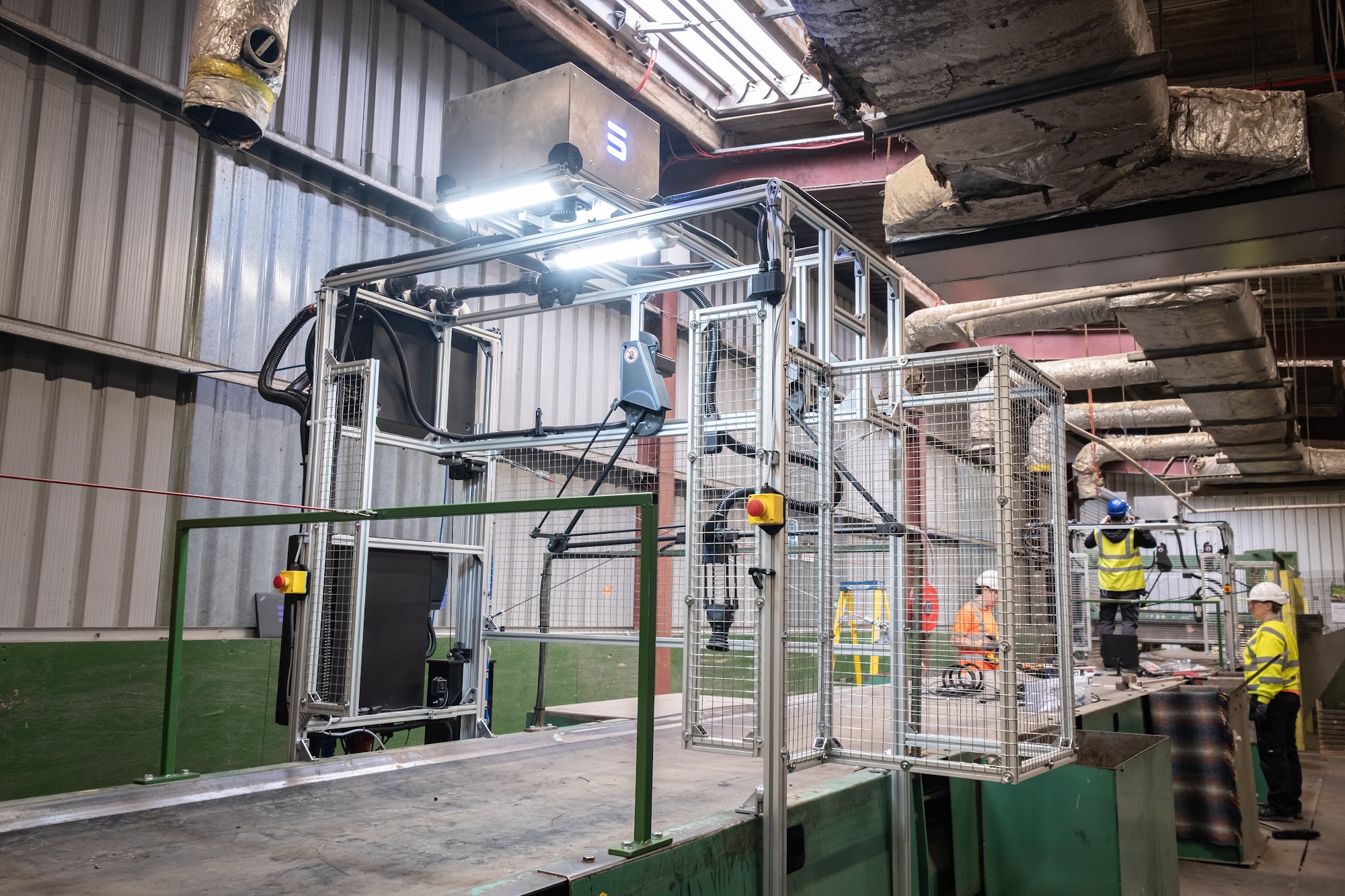
The SortBot over the Mulleadys recovery line, with pickers further along the line

“We have been talking for a while about further automation in the last sorting cabin, but robotics with heavy CapEx felt like a risky investment. The Sorted business model was exactly what we needed. With the hire there was no machine to buy. The robot went in during our planned shutdown and we didn't lose an hour of production.”

Brian Mallon

General Manager, Mulleadys

THE CHALLENGE

More picking on the last line, without a capital project

The recovery line is the last manual picking stage in the plant. Whatever is not picked there leaves the site as residue for incineration, so this line is the last chance to recover it. About five pickers work along the line.

Mulleadys had just completed a major investment in the facility, including multiple top-of-the-line optical sorters. The rest of the plant is now highly automated and manual picking at the end is what limits the plant throughput. Robotics was identified as a way to complete the plant automation and unleash further capacity.

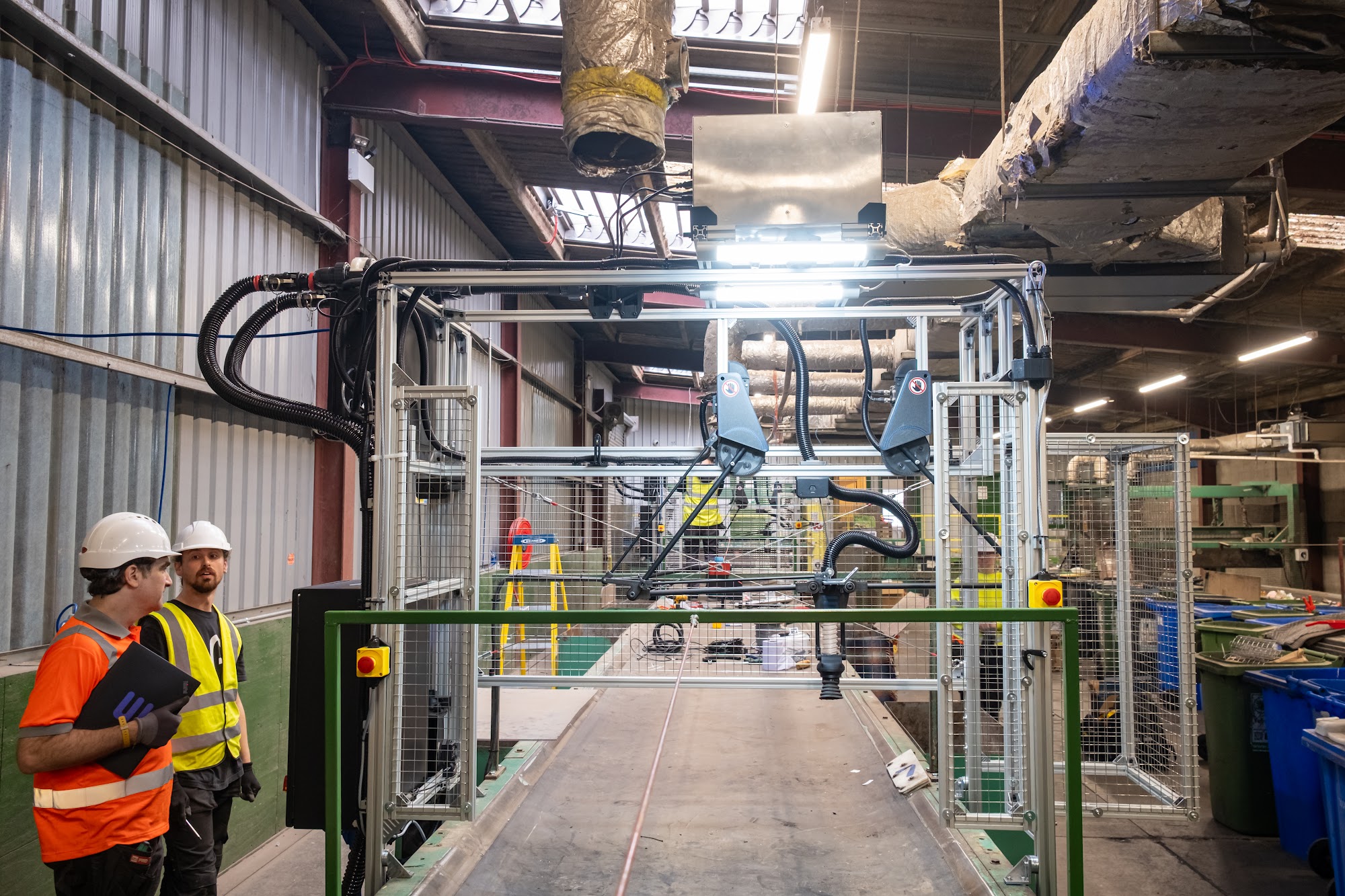
Checking the SortBot beside the recovery line at Mulleadys
THE SOLUTION

A robot hired by the hour

Sorted offers its robot for outright purchase or as pay-as-you-go hire. Mulleadys chose hire: it pays an hourly rate for the hours the robot is sorting, and nothing for breaks or downtime. There was no purchase price, and installation, support, replacement parts and software upgrades are all included in the rate.

The SortBot stands over the existing conveyor, takes up about 1.4 metres of the line and runs from a single 16 A socket. It brings its own 4G connection. Its two arms are guided by Sorted's AI model, trained on more than 16 million labelled waste objects.

THE IMPLEMENTATION

Three days to install, a summer to tune

Sorted's engineers installed the SortBot from 1 to 3 June 2026, inside Mulleadys' planned shutdown, so no production time was lost.

The SortBot started at a lower rate during commissioning (around 20 picks/min). The first three months were a monitoring period, and hire charges did not start until 1 September. Sorted's engineers used that time to watch how the robot handled Mulleadys' material and to make changes:

  • June: installation and first tests. Mulleadys' own staff were trained to change the filters, and successfully completed their first filter change.
  • July: a new suction cup design was fitted. This improved the gripper success rate from 70% to over 90%.
  • August: at Mulleadys’ request, the robot moved from above a bin to above a chute. The move was done on a Friday afternoon and a Saturday, outside line hours.
  • September: first month of paid hire.
  • October: about 40 picks per minute, roughly double September's average, routinely going above 45 and peaking at 48.
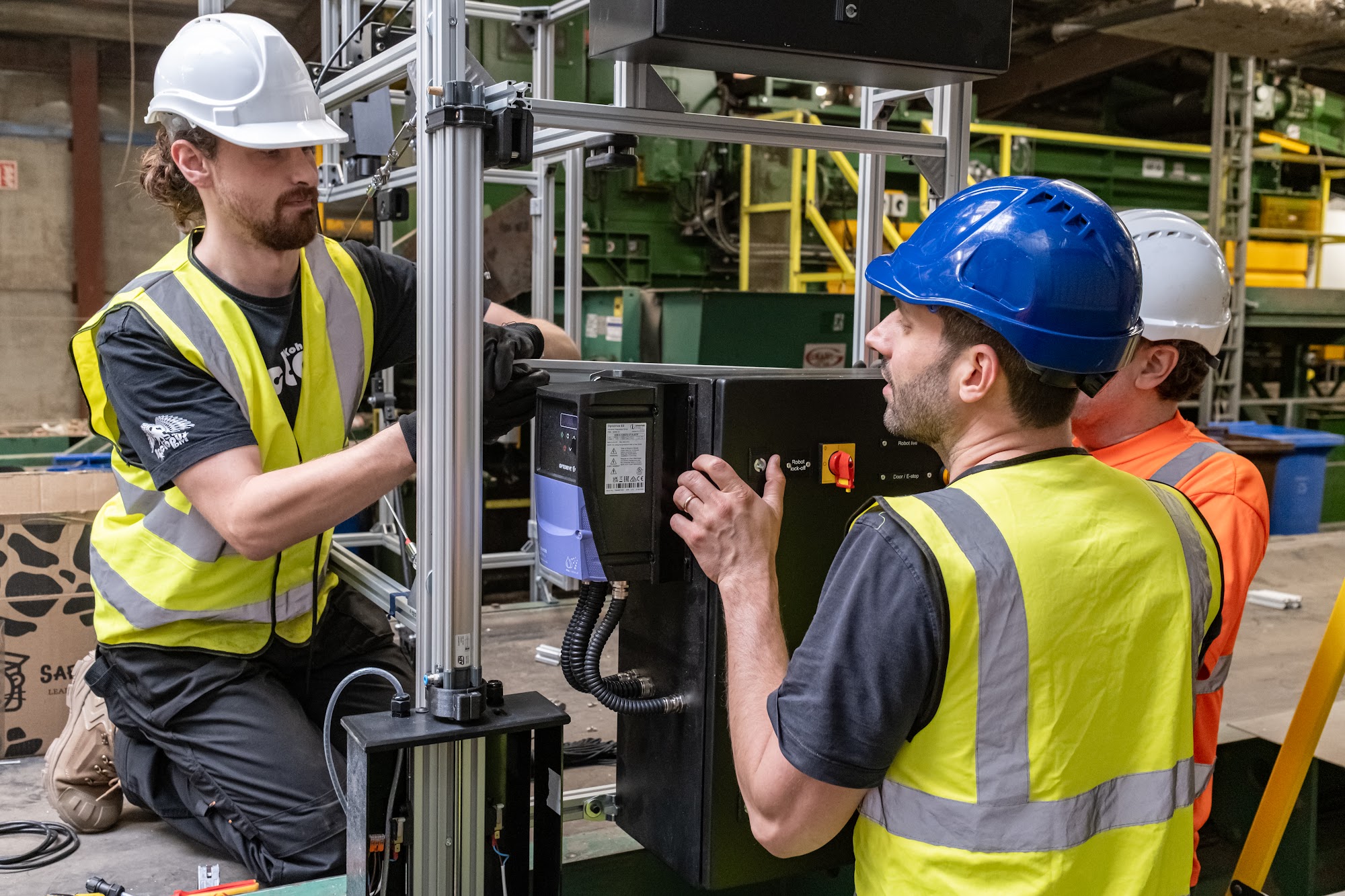
Sorted engineers fitting the SortBot control cabinet at Mulleadys
THE BENEFITS

What the SortBot delivers at Drumlish

One more picking position, at about half the cost

The SortBot now does the work of one full-time picking position on the recovery line. Sorted estimates that this costs about half as much as staffing the position by hand, and that the saving has applied since the first day of paid hire. Mulleadys pays only for the hours the robot sorts, and there is no machine purchase to pay back first.

40 picks per minute on a working line

This is the rate on Mulleadys' own recovery line, on a very busy, sometimes cluttered conveyor belt, with both arms combined. Sorted plans to raise it further, and software upgrades are included in the hire.

Over 96% uptime, and a one-minute filter change

Uptime has been above 96% since paid hire began. The only routine job for Mulleadys' operators is changing a filter once or twice a week. It twists and clips into place, needs no tools and takes about a minute. The new suction cups, fitted in late July, are robust and long-lasting: they ran for two and two and a half months on the two arms before being swapped for spares, a change that took under a minute.

One robot, more than one material

The SortBot was first tested on soft plastic, then hard plastic, and now picks paper and card. Its arms are guided by Sorted’s AI model, which identifies over 40 waste categories, so target materials can be switched from the central console as material flows or facility needs change, with support from the Sorted team.
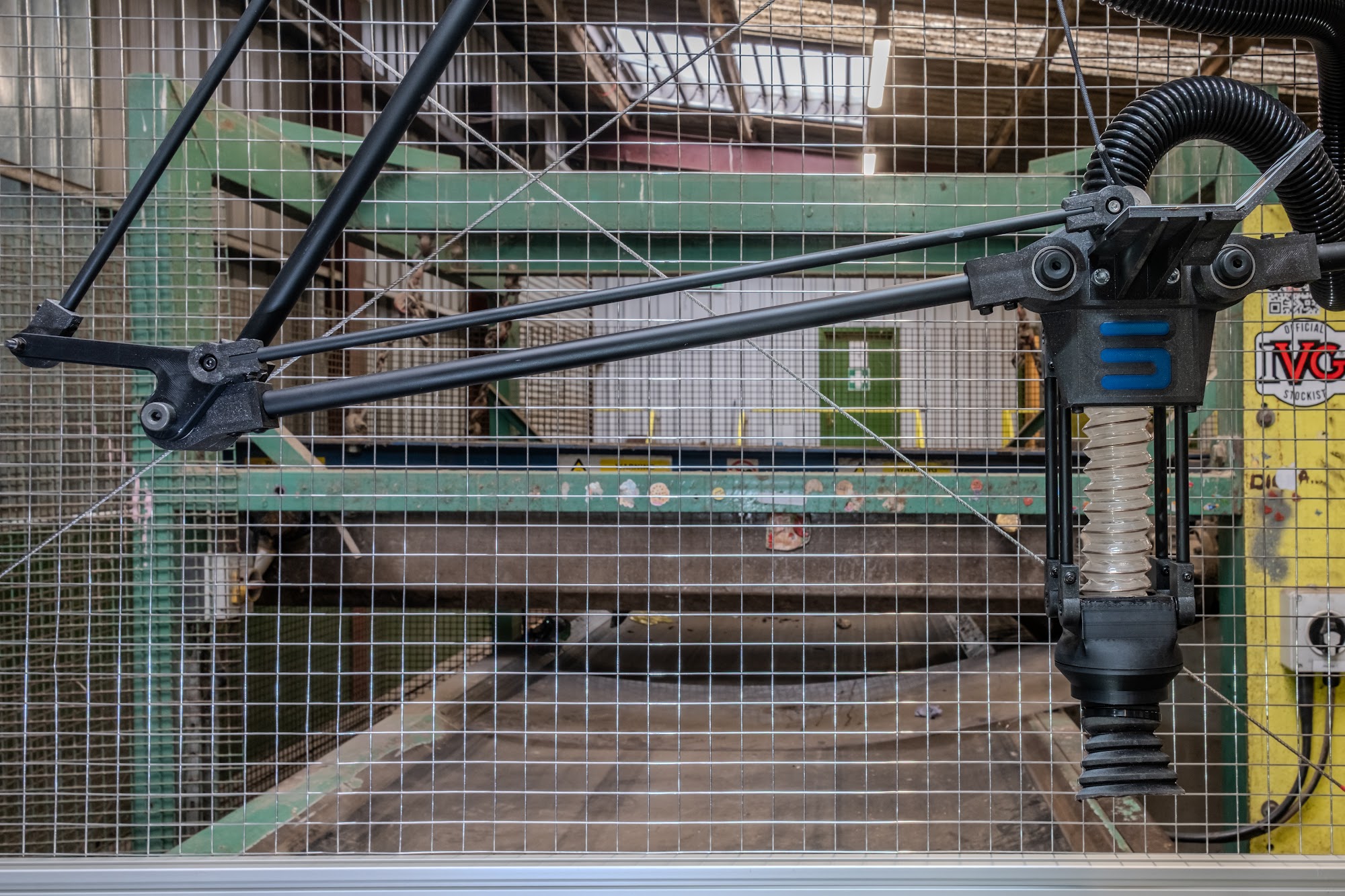
One of the SortBot's two picking arms with its suction cup

“It took a few months to fully nail the SortBot’s settings and reach the required level of performance, but fair play to Sorted, they kept coming over until it was right and didn’t charge us until we were fully happy with it. It’s picking paper and card really well now, working alongside our pickers, and our own operators can change the filter in just a minute. We took a bet trusting the Sorted team and their new technology, and it’s paid off. I’m really glad we did.”

Brian Mallon

General Manager, Mulleadys

WHY SORTED

No machine to buy, and no space given up

The hire model let Mulleadys add a robot without buying a machine, and the SortBot's 1.4 metre footprint took no space from the pickers on the line. Hire charges did not start until the robot had spent three months being tuned on Mulleadys' own material.

For Mulleadys, who had never used picking robots before, this was the best way to test the technology in real conditions and reduce the risk, without committing blindly or taking on heavy CapEx.

WHAT'S NEXT

A second SortBot

Following the successful implementation of this first SortBot and the benefits it has already delivered, Mulleadys has asked Sorted for a proposal for a second SortBot to further optimise its facility workflow and boost operating performance. What started as a low-risk trial is now becoming a long-term partnership.

See a SortBot working on a line like yours

Request a demo
our Solution

Meet SortBot, the sorting robot you pay for by the hour.

SortBot automates picking for QC and positive recovery in MRFs, with no CapEx and no complex retrofit. Pay only for active sorting hours, and scale when you're ready.

gradient effect
Contact us

Request a demo

Feel free to reach out to us for queries, partnerships or anything else.

Email us

info@sortedtech.io